Enhance Your Web Design with Tiny Rabbit Font
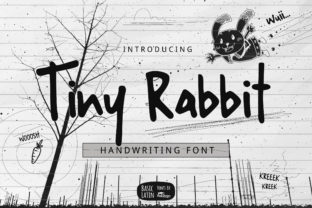
As I was finalizing the design for a boutique online store, I stumbled upon Tiny Rabbit, a charming and playful handwritten font. This typeface has a unique, down-to-earth feel that instantly adds a touch of personality to any digital project.
A Visual Delight in Any Design
The first thing that caught my eye about Tiny Rabbit was its visual appeal. The handwritten style is both casual and elegant, making it perfect for a wide range of web design elements. Whether you're working on a hero section, a product landing page, or even a blog header, Tiny Rabbit can bring a fresh, creative vibe to your layout.
Testing Tiny Rabbit in a Real Project
I decided to test Tiny Rabbit in the hero section of the boutique's homepage. The font's playful yet readable nature made it an excellent choice for the main headline. It immediately set a welcoming and friendly tone, which was exactly what the brand needed to connect with its audience.
Readability and User Engagement
One of the key considerations in web design is readability. Tiny Rabbit strikes a great balance between style and legibility. Even on smaller screens, the font remains clear and easy to read, which is crucial for maintaining user engagement. For longer text, I paired Tiny Rabbit with a simple sans serif font, ensuring that the overall design remained clean and professional.
Perfect for Creative Branding
Besides the hero section, Tiny Rabbit worked wonderfully in other parts of the site. I used it for section headings, call-to-action buttons, and even as decorative accents in the footer. The font's versatility allowed me to create a consistent and cohesive brand identity throughout the website.
- Hero Titles: Perfect for grabbing attention and setting the tone.
- Section Headings: Adds a personal touch and breaks up the content nicely.
- Buttons and CTAs: Makes calls to action more inviting and engaging.
- Decorative Accents: Enhances the overall aesthetic without overwhelming the design.
Font Pairing and Consistency
When it comes to font pairing, Tiny Rabbit complements a variety of typefaces. For the body text, I chose a clean, modern sans serif font. This combination not only enhanced the readability but also created a harmonious and balanced look. Additionally, I experimented with a serif font for a more editorial feel, which worked well for the blog section of the site.
Practical Tips for Using Tiny Rabbit
Before incorporating Tiny Rabbit into your web design, here are a few practical tips:
- Check Readability: Ensure the font is legible on both desktop and mobile screens.
- Test with Different Backgrounds: See how it looks on light, dark, and image overlays.
- Pair with Simple Fonts: Use a simple sans serif or serif font for body text to maintain clarity.
- Consider Commercial Licensing: Make sure you have the right license for commercial use, especially for client projects and online stores.
Final Thoughts on Tiny Rabbit
Incorporating Tiny Rabbit into your web design can significantly enhance the visual appeal and user experience of your site. Its playful and approachable style makes it a versatile choice for various design elements, from hero titles to decorative accents. By following these practical tips, you can ensure that Tiny Rabbit not only looks great but also performs well across different devices and backgrounds.
Whether you're designing a creative portfolio, a coaching website, or a product landing page, Tiny Rabbit is a premium font that can help you build a more polished and engaging online brand experience. Give it a try and see how it transforms your next web project.